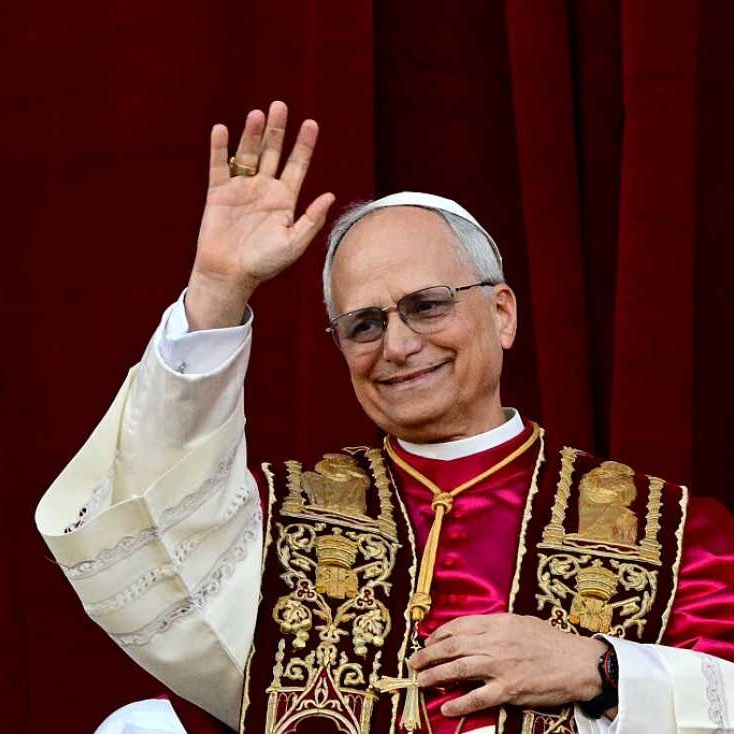
When we think of the Catholic Church (often called the Roman Catholic Church) we often think of the big familiar items: the Pope, the sacraments, the creeds, the Mass. But beneath the surface lies a tapestry of surprising details, historical quirks, global statistics and symbolic practices many people overlook. Here are 20 little-known Catholic facts that will broaden your understanding of Catholicism, deepen your appreciation of its traditions, and perhaps spark fresh curiosity.
1. The word “Catholic” means “universal”
The term comes from the Greek katholikos meaning “toward the whole” or “general/universal.”
From early on, Christians used “the catholic church” to designate the universal church of Christ.
2. There are 24 “sui iuris” Catholic Churches
Many assume “Catholic” means one single institution. In fact, the Catholic communion is made up of 24 autonomous churches (23 Eastern Catholic Churches + the Latin Church) all in communion with the Pope.
That means you could attend Mass in an Eastern-rite Catholic Church and still fulfil your “Sunday obligation”.
3. The Catholic Church is the largest Christian body
About 1.3 billion people around the world identify as Catholic, making it the largest single Christian denomination.
That’s more than many other religious traditions. The global reach is a bit surprising to many.
4. The Vatican City has the highest crime rate per capita
A somewhat odd fact: because Vatican City is extremely small population-wise but attracts millions of tourists annually, its crime-rate per capita statistic appears very high.
It’s less about rampant crime and more about how statistics scale in micro-states.
5. “Hocus pocus” may trace its roots to the Eucharist
A fun linguistic twist: the phrase “hocus pocus” is said by some sources to derive from the Latin words said by the priest during the consecration of the Eucharist: hoc est enim corpus meum (“this is my body”).
Whether it actually is the origin is debated, but it makes for a memorable fact.
6. The Catholic Church played a key role in preserving science and scholarship
Contrary to some stereotypes, the Catholic Church historically supported scientific inquiry. For example, many institutions and universities in the West were founded by the Church, religious orders preserved manuscripts during the Middle Ages, and some Catholic scientists made major contributions.
This fact helps nuance the common “faith vs. science” narrative.
7. Eastern Catholic priests may be married before ordination
In many of the Eastern Catholic Churches (which are in full communion with Rome), the discipline of clerical celibacy is somewhat different from the Latin-rite norm: married men may be ordained as priests (though bishops are usually chosen from the celibate clergy).
This underscores the diversity within Catholicism.
8. Some rituals centre on ancient, symbolic practices
Many Catholic rituals carry rich symbolism. For instance:
- The use of incense symbolises prayers rising to heaven.
- Ashes placed on the forehead on Ash Wednesday recall penance and mortality.
- The Sacred Heart devotion has its roots in 17th-century spirituality, linking Christ’s heart with love and sacrifice.
These symbolic practices often date back centuries and invite reflection beyond mere ceremony.
9. The Catholic Bible includes more books than many Protestant Bibles
Catholic canon includes seven additional books in the Old Testament (commonly called the “Deuterocanonical” books) which many Protestants do not include.
This is part of historical developments in how the canon was recognised in the early church.
10. The first person ever to earn a PhD in computer science in the USA was a Catholic nun
A lesser-known fact: According to some Reddit discussions and historical notes, the first person to earn a PhD in computer science in the U.S. was a Catholic nun, Sister Mary Keller.
This illustrates how Catholicism intersects with modern fields in often-unremarked ways.
11. The Church’s educational and health impact is massive
Globally, the Catholic Church runs thousands of schools, hospitals, orphanages and universities. It remains one of the largest non-governmental providers of education and health care.
Many people are unaware of the sheer scale of this social-service arm.
12. The first Catholic pope to step down voluntarily lived in the 3rd century
Actually yes: Pope Pontian (c.230-235 AD) was the first to resign the papacy to avoid schism and allow for smooth succession.
This is often overshadowed by modern coverage of papal resignations.
13. Brazil has more Catholics than many European countries combined
Brazil holds the largest Catholic population of any country. Roughly speaking, it has more Catholics than Italy, France and Poland put together.
The global centre of Catholicism is shifting increasingly to the global south.
14. The term “Devil’s Advocate” came from within the Church
The formal role of promoter of the faith, popularly called the “Devil’s Advocate”, existed in the canonisation process of saints, specifically to argue against the proposed sainthood.
A fascinating example of internal Church structure many don’t know about.
15. The Catholic Church actively recognises the complementarity of Scripture and Tradition
Catholics believe that divine revelation is transmitted not only through Scripture but also through the living Tradition of the Church, safeguarded by the Magisterium (teaching authority).
This dual-source understanding sets Catholicism apart in nuance from some Protestant traditions.
16. The first use of “Catholic Church” as a phrase dates to around AD 110
The earliest recorded use of the phrase “Catholic Church” is attributed to Ignatius of Antioch in a letter to the Smyrnaeans, around AD 110.
That speaks to the long historical depth of the institution.
17. Catholicism preserved classical learning when much of Europe plunged into chaos
During the so-called Dark Ages, monasteries and religious institutions preserved texts and learning from antiquity, which later helped fuel the Renaissance.
Many universities trace their roots back to these monastic efforts.
18. The Catholic Church embraces the theory of evolution
Contrary to a common myth, the Catholic Church does not officially reject the theory of evolution.
Instead, it holds that faith and reason, revelation and science, may coexist in productive relationship.
19. Some Catholic Churches have “stones” older than the concept of a church
Some Catholic churches, especially in Europe, were constructed on sites of ancient buildings (Roman temples, pagan oratories) and contain stonework predating Christianity in their foundations. This is an architectural history detail many don’t notice when attending Mass.
20. Catholics often say one thing but statistics tell a deeper story
While many countries have very high rates of nominal Catholic affiliation, active participation (weekly Mass attendance, practices) may be much lower. For instance, in Italy around 78 % identify as Catholic but only about 19 % attend weekly services.
This gap between identity and practice is telling for both sociologists and church leaders.
Why These Facts Matter
Each of these facts invites deeper reflection: about how faith operates in daily life, how long traditions endure and adapt, how culture and belief interact globally, and how the Church both shapes and is shaped by history. Whether you’re Catholic yourself, exploring faith, or simply curious about religion, these little-known facts can spark fresh questions and inspire further reading.
Which fact surprised you most? Do you know any other little-known Catholic facts?
The Catholic Church is far more than what many might assume at first glance. It spans continents, centuries, rites and cultures. By knowing these 20 little-known Catholic facts you gain a window into its richness, surprises and enduring relevance. May this article help you see faith not just in broad strokes but in the details that make it living, historical and global.